Why buyers put flameless candles under their own label
Retailers, hotel suppliers and event companies choose flameless candles because they give the look of candlelight without an open flame: no fire risk near fabrics and displays, no wax to clean, and no relighting between uses. A private-label range lets the buyer sell that product under their own brand, so the shelf presence, the gift appeal and the repeat purchase belong to the buyer’s brand rather than to a manufacturer’s.
Private label also makes an assortment easier to plan. A retailer can group pillar candles, tealights and tapers in one packaging style; a hotel supplier can present a consistent range to its clients; an event supplier can build branded sets for weddings and seasonal displays. The products already exist as a catalogue range — what changes is how they are presented, packed and documented.
The buyers are usually businesses building a range rather than end consumers: retail chains and online sellers who need a candle line their competitors do not stock, importers supplying several retail accounts from one branded programme, hotel and restaurant groups standardising table lighting across sites, and wedding and event suppliers who sell or hire out coordinated sets. Each of them needs the same thing from the factory — stable catalogue models, packed and documented as their own product.
Where your branding actually goes
Start with the honest version: Ambrilume products are supplied unbranded, and the branding is applied through the packaging. Your logo and brand design appear on the box, the sleeve, the gift-set wrap and the instruction material — the surfaces a customer actually sees in store, in photographs and at unboxing.
Printing a logo directly onto a candle is not promised model by model. What can be reviewed per model is the product’s colour and finish: a brand colour carried across a pillar range, for example, or matching finishes across a set. If your brief depends on the product itself carrying a mark, raise it at the enquiry stage so the specific models can be assessed before any samples are made.
The private-label process in four steps
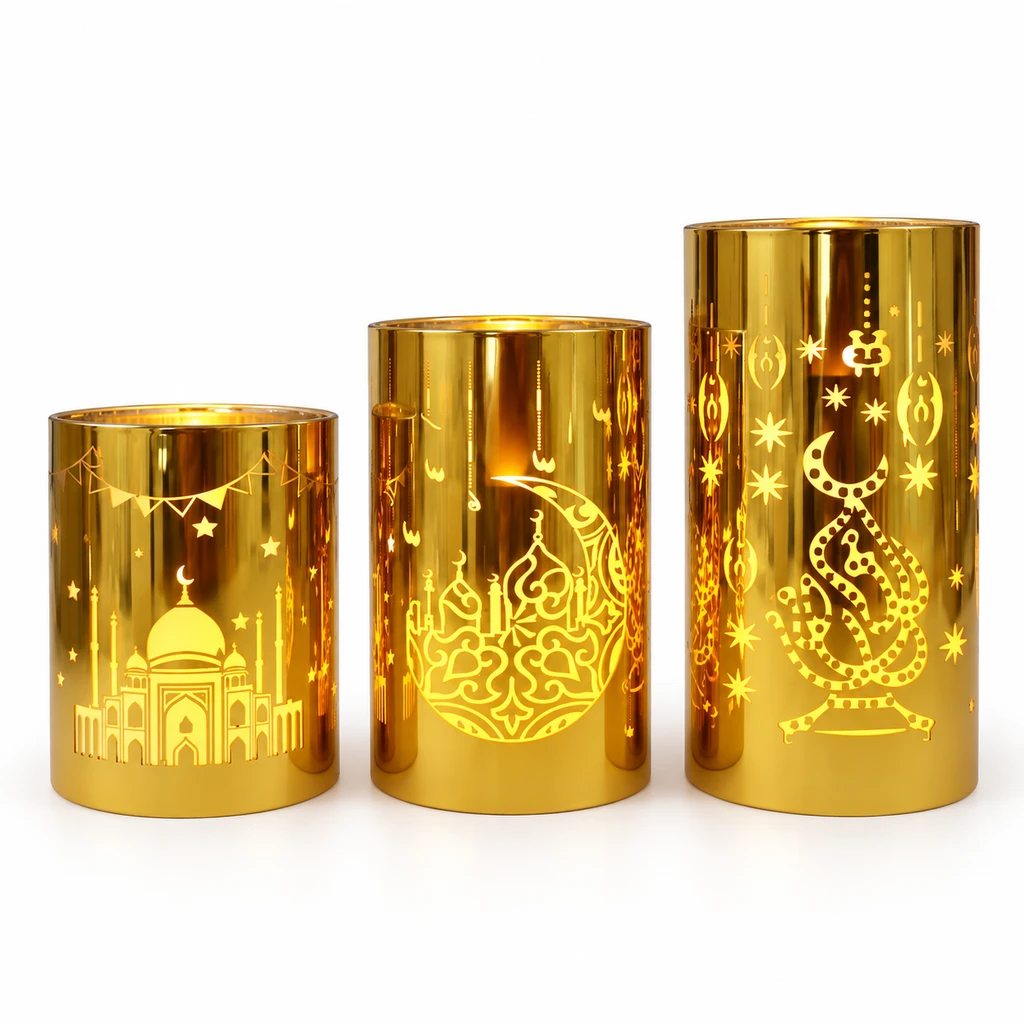
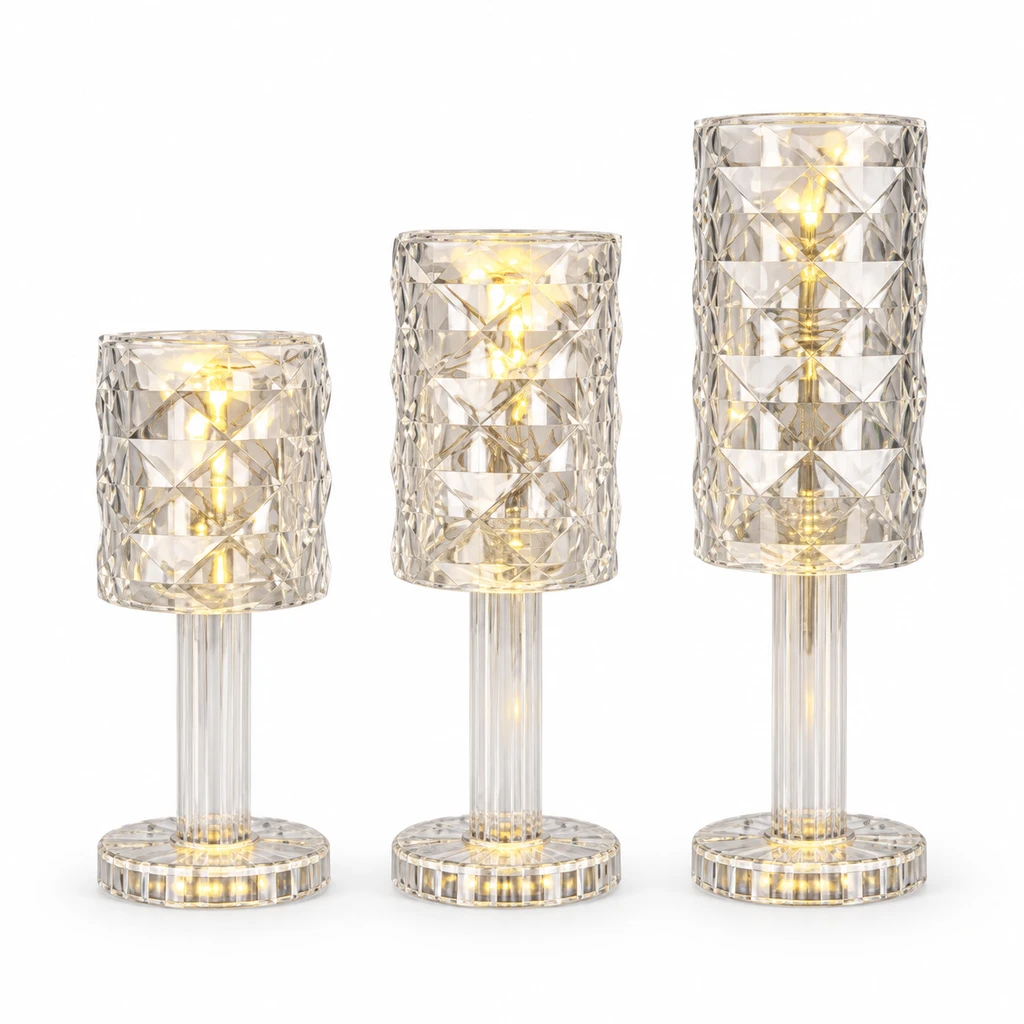
Step one is choosing the product series — pillar candles, tapers, tealights, shaped candles or decorative lanterns — with exact model references, sizes and quantities per model. Step two is agreeing the branding and packaging brief: artwork, colour targets, pack format and the information the pack must carry.
Step three is approving samples and artwork together, so the physical product and the printed pack are signed off as one unit. Step four is confirming the MOQ and the production plan, with models, retail packaging and carton details fixed before production starts. The same four steps are set out on our private-label page, which is also where a project enquiry begins.
Artwork and pack information to prepare
Useful artwork is production-ready artwork: your logo and brand files, colour references, and a layout or a clear description of what each panel of the pack should say. Add the packaging language or languages, and any barcode requirements. A retail barcode is normally supplied by the buyer, because it belongs to their own product registration in their market.
One line of copy is mandatory rather than optional: batteries are not included with any Ambrilume product. The batteries-not-included notice, and the battery type the model uses, must be designed into the packaging and instructions from the start. Most battery-operated models use AA or AAA cells, but the exact type and number depend on the model, so the notice is checked model by model at the artwork stage. Solar models are discussed separately, because their power system works differently.
Packaging formats: single box, multi-pack or gift set
Three formats cover most briefs. An individual box suits full-size pillar candles and decorative lanterns, where one piece is the sales unit. A multi-pack suits tealights and taper candles, where customers buy several pieces at once. A gift set combines models — candles with holders, or a coordinated group built for weddings and seasonal ranges.
For each format, fix the contents of one sales unit before artwork begins: how many pieces, which accessories belong inside, and what protective packing sits around the product. Retail packaging also decides the outer carton plan — pieces per carton and carton volume both change with the pack — so carton details are confirmed after the pack layout is approved, not estimated before it.
The branding does not stop at the retail pack. Outer cartons can carry your brand and the carton marks your warehouse or fulfilment centre requires, and the contents of each carton follow the pack format you approved. If your channel needs an inner tray, a display format or a specific carton size limit, put it in the brief: those decisions belong to the packaging stage and are difficult to add once production has started.
The MOQ, explained plainly
The minimum order for a private-label project is 5,000 pieces in total per order, and mixed models are welcome. A buyer does not need 5,000 pieces of a single candle: pillars, tealights and tapers can be combined in one order, with quantities stated by model, colour and size.
One distinction matters when you write the brief: state whether your quantity means individual pieces or complete sets. Five thousand gift sets of three candles is a very different production plan from five thousand pieces in total. Marking “pieces” or “sets” clearly on every line of the brief prevents the most common misunderstanding in private-label orders.
Samples: catalogue first, custom when needed
Catalogue products carry no sample fee, so you can request samples of existing models to check size, finish and light effect before committing to artwork. Sample shipping is confirmed separately — no sample fee does not mean free shipping, and the destination decides the arrangements.
If the brief needs development — a new colour, a finish or a set combination made up as a sample — custom sample development normally takes about five days and carries a customisation fee, agreed from the brief. Approving a physical sample before artwork sign-off is the cheapest quality control in the whole process, and it gives both sides the same reference for production.
Lead time: what the 20 days cover — and what they do not
Typical full-container production takes about 20 days after the order details are confirmed. That window covers production of the agreed models and packing them to the approved brief: the right products, in the right packs, in the agreed cartons.
It does not include the stages around it. Sampling, artwork approval and any custom development happen before that clock starts; sea freight, destination port handling and local delivery happen after it ends. When planning a launch or a seasonal range for weddings and events or hospitality supply, work backwards from the date the goods must be on the shelf and allow for each stage separately.
For seasonal programmes, buyers often split one confirmed range into phased deliveries: a first order for the launch, then repeat orders against the same brief. Phased orders work because nothing changes between them — the approved sample, the artwork version and the carton plan from the first order become the standing reference, so a repeat order skips the development stages and goes straight to production scheduling.
What can be customised — and what needs a feasibility review
Starting from an existing catalogue model, the colour, the finish, size combinations within a range and the contents of a set can all be reviewed against your brief. Packaging is custom throughout: the format, the print, the contents of each pack and the carton plan are all set by the project.
Changing a product’s shape or dimensions, its flame effect or its control functions is a different category of work. Those requests go through a separate feasibility review and may involve tooling, so they are scheduled as development projects rather than standard private-label orders. Ask early if your concept depends on any of them, because they set the timeline for everything else.
Your enquiry checklist
A complete first enquiry shortens everything that follows. Include:
- Model references, with quantities by model, colour and size
- Whether the quantities mean individual pieces or complete sets
- The target market and the final delivery destination
- A packaging brief: format, contents of each pack and packaging language
- Brand artwork files and colour targets
- Barcode requirements and the batteries-not-included notice for the pack
- Sample needs: catalogue samples, or custom development
- The date the goods are needed, and any phased-delivery plans
Send the list through the private-label enquiry route and the first reply can deal with feasibility, MOQ and samples directly. For a deeper look at how a pack is constructed, see our guide to planning private-label LED candle packaging.
Private-label questions, answered
Can my logo be printed on the candle itself?
Products are supplied unbranded and branding is carried by the packaging. Colour and finish changes on the product can be reviewed per model, but a printed mark on the candle itself is not a standard option.
Can I mix models to reach the MOQ?
Yes. The 5,000-piece minimum applies to the order total and mixed models are welcome — just state the quantities by model, colour and size, and mark whether they are pieces or complete sets.
Do the candles come with batteries?
No. Batteries are not included with any product, which is why the batteries-not-included notice, with the correct battery type for each model, has to appear in your packaging artwork and instructions.
How long does a private-label order take?
Custom samples take about five days when they are needed, and typical full-container production takes about 20 days after the order details are confirmed. Freight, port handling and local delivery sit outside that production window.