Choose a visual thread
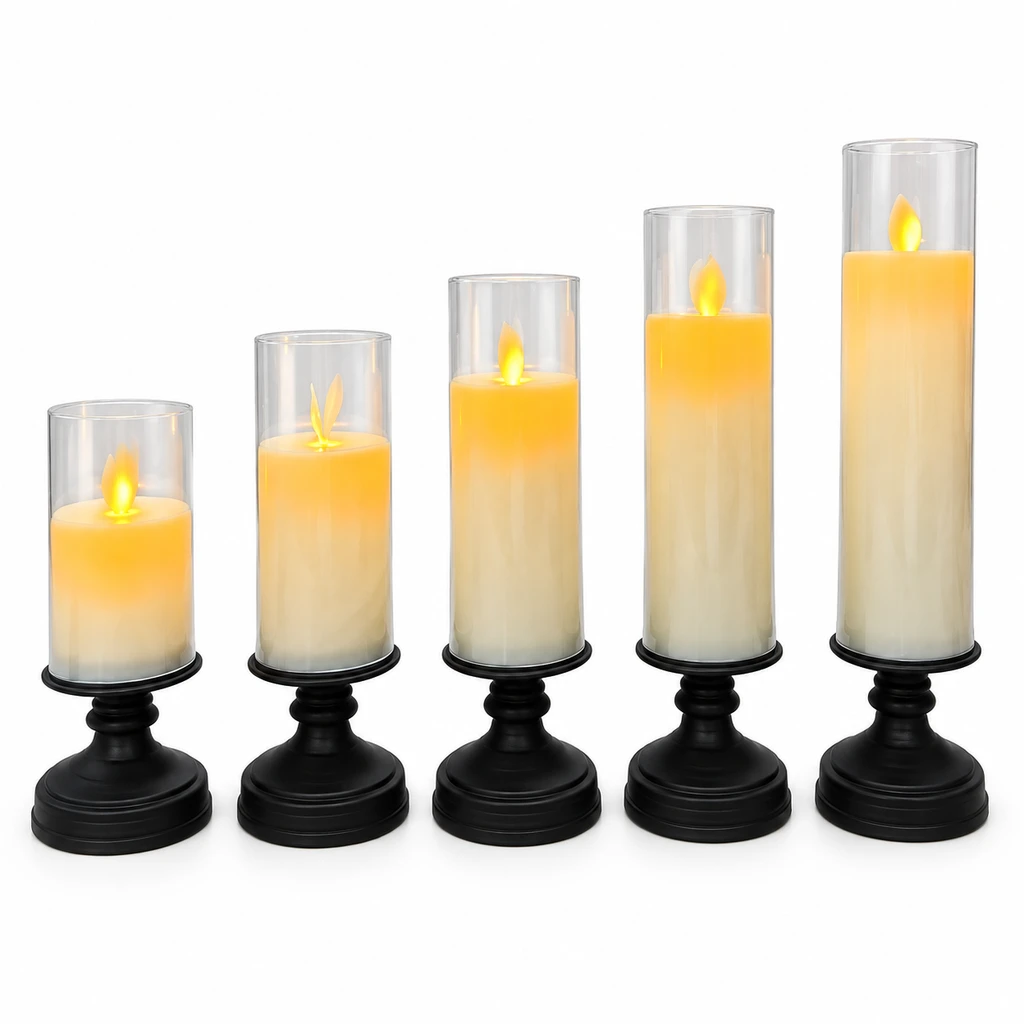
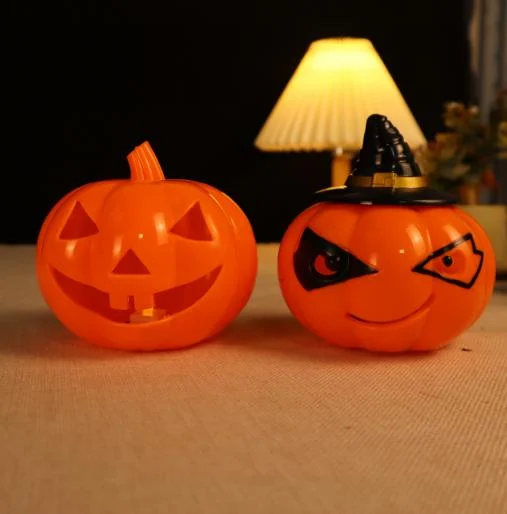
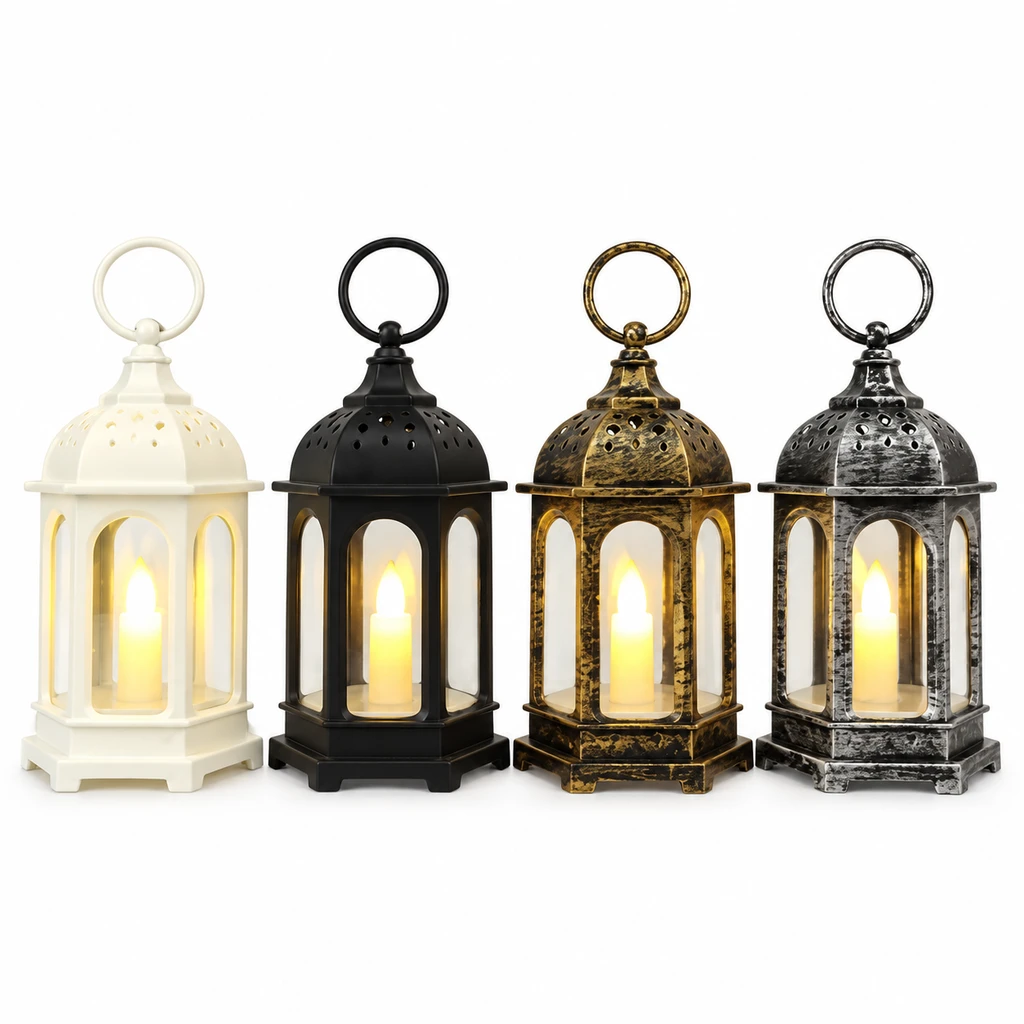
A Christmas range may use tree shapes alongside everyday pillars; a Halloween range may centre on pumpkin or ghost forms; a Ramadan display may use engraved details and decorative lanterns. Review the individual motifs rather than treating all seasonal items as one style.
Keep the proportions in balance. A larger lantern can anchor a display while smaller candles provide supporting pieces. Select the models around the merchandising space and the intended customer use.
Separate core products from seasonal additions
An everyday pillar or tealight can be carried across several displays. A distinctive seasonal silhouette has a more specific role. Keep those roles clear when deciding order quantities and pack sizes.
Do not choose several references only because their photographs look similar. Compare the dimensions, finishes, light effects and sales units so each selected item has a reason to be included.
Approve motifs and gift packaging together
Check printed, engraved or plated details on the sample. Where artwork is customised, provide a clear reference and approve the actual design intended for production.
For gift sets, state every component and its size. Confirm protective packing for shaped products and discuss the product information needed on the retail pack.
Work backwards from the arrival date
Build the schedule around product selection, samples, artwork, production and transport. A factory production estimate does not include every stage between the initial brief and arrival at the destination.
Give the required delivery window, quantities and destination when requesting the quotation. Keep the approved assortment and packaging record together so seasonal reorders can be identified accurately.
Continue your product selection
Compare the relevant models and keep their references with your buying brief.
Seasonal LED Candles & Decorative Lanterns ↗